
On March, 9, 2026, California cardrooms filed lawsuits in San Francisco Superior Court, challenging the California Department of Justice, Bureau of Gambling Control’s (DOJ) new regulations restricting the operations of licensed cardrooms. According to the state’s own analysis, the regulations will cause cardrooms across the state to lose at least 50% of their business, triggering mass layoffs and forcing some cardrooms to shut down entirely. Without legal intervention, the regulations will go into effect on April 1, 2026.
Cardrooms File Lawsuit Against CA Attorney General’s Cardroom Regulations
Sign up to protect your local cardroom!
Latest News
March 31, 2026 - The California Gaming Association filed motions in San Francisco Superior Court, which seek a preliminary injunction blocking new and unlawful cardroom-specific regulations issued by the California Department of Justice’s Bureau of Gambling Control (DOJ) from taking effect while litigation proceeds. The motions are the next step in two lawsuits, filed on March 6, 2026, challenging the legality of the regulations, which would eliminate blackjack-style games and substantially restrict other table games that California cardrooms have operated legally for decades.
March 26, 2026 - The cities of Commerce and Bell Gardens declare a fiscal emergency and place sales tax measures on June ballot to address significant revenue losses tied to the Attorney General’s cardroom regulations.
March 9, 2026 - California cardrooms filed lawsuits in San Francisco Superior Court, challenging the California Department of Justice, Bureau of Gambling Control’s (DOJ) new regulations restricting the operations of licensed cardrooms. According to the state’s own analysis, the regulations will cause cardrooms across the state to lose at least 50% of their business, triggering mass layoffs and forcing some cardrooms to shut down entirely. Without legal intervention, the regulations will go into effect on April 1, 2026.
February 26, 2026 - City of Commerce City Council voted unanimously to put a ¼-cent sales tax measure on the June 2026 ballot. The measure, according to city leaders, is necessary as the Commerce Casino, a primary source of City revenue, is affected by regulatory changes. This tax increase will disproportionately impact low-income residents in Commerce, where over 94 percent of residents are Latino.
February 19, 2026 - City of San Jose submitted a letter to Attorney General Bonta requesting a rescission of the regulations citing “a substantial loss of revenue and economic activity for the City’s cardrooms would jeopardize thousands of jobs across the state and necessitate painful cuts to the City’s budget, thereby reducing our capacity to fulfill the Governor’s priorities in homelessness, housing, and public safety, among other core public services.”
February 9, 2026 - The DOJ announced that the regulations, which were originally introduced in May 2025, were finalized, and no changes were made after reviewing 1,764 public comments. Twelve cities across the state have uniformly opposed the regulations - some of these cities relying on cardroom tax revenue for up to 70 percent of their general fund, including Hawaiian Gardens, Commerce, Gardena, Inglewood and Bell Gardens.
Cardroom regulations disrupt local communities.
The cardroom regulations are an effort to regulate cardrooms out of existence and redirect gaming revenues into the hands of a few powerful tribal casinos. The regulations will deny local residents the ability to enjoy gaming in their own cities and towns, decimate thriving businesses, and devastate working families, all while ignoring the century-and-a-half legal tradition of local, licensed, and already heavily regulated cardroom gaming.
For almost 10 years, Tribes have tried to limit cardrooms so they can expand their control of California’s gaming industry. Courts and regulators have said again and again that cardroom games are legal. But now, the Attorney General has approved the regulations that give Tribes what they want: rules to make it nearly impossible for cardrooms to stay open - hurting the local communities and economies that rely on them.
The regulations will leave a trail of harmful economic impacts to California communities:

REDIRECT OVER $200 MILLION annually away from cardrooms and their communities, according to the Attorney General’s own estimates

STRIP CALIFORNIA CITIES of
essential tax revenue

Force cardrooms toward
ECONOMIC INSTABILITY
“These proposed regulations threaten not only our cardrooms, but the livelihoods of thousands of workers and the economic stability of our communities. We stand united: city leaders, union members, educators, and law enforcement, because we know what’s at stake. This is not just about cards on a table; it’s about families, jobs, and justice.”
— Shavon Moore-Cage, Political Advocate - AFSCME Local 36, City of Hawaiian Gardens
How will the cardroom regulations impact California?

Cardrooms support over 10,000 jobs in Los Angeles County alone, many of them held by residents of color from communities with limited economic opportunity. The approved regulatory changes that the Tribes pushed will decimate the cardroom workforce, lead to layoffs, shutter local businesses, and unravel the fragile support systems.

Force cardroom business elsewhere, like to Tribal casinos or illegal gambling, and surge the associated crimes often linked to non-regulated gaming, like money laundering, gang activity, drug trade, and illicit weapons or prostitution.

Strip California cities of essential tax revenue that pays for public safety and emergency services, housing programs, and health care — critical infrastructure that holds our cities and communities together.
Who’s with us.
-

Juan Garza
Executive Director for California Cities for Self-Reliance, Former Mayor of the City of Bellflower
-

Chris Boyd
Former City Manager & Chief of Police for the City of Citrus Heights
-
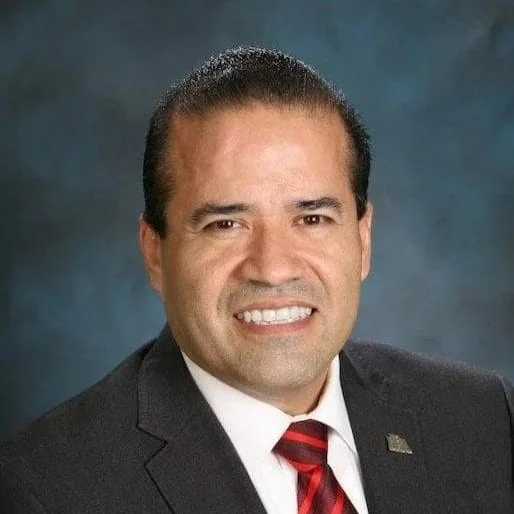
Ruben Guerra
Chairman of the Latin Business Association
-

Shavon Moore-Cage
Political Advocate - AFSCME Local 36, City of Hawaiian Gardens

“According to the state’s own impact assessment from last August, possible outcomes would likely include hundreds of millions in lost revenue and a considerable depletion to cardroom jobs. Many small towns throughout California rely heavily on the tax revenue from cardrooms to fund necessities like fire and police services.”
— iGaming Business - May 30, 2025